
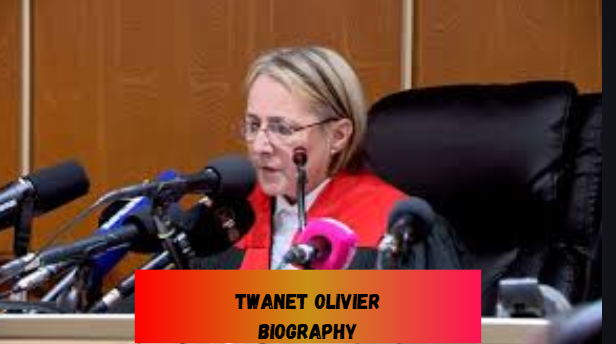
In the world of law, where decisions quietly shape lives and societies, some figures emerge not through loud headlines but through steady, consistent work. Twanet Olivier is one of those figures. A seasoned South African magistrate with more than two decades in the justice system, she represents a blend of legal discipline, experience, and quiet authority.
Recently, however, her name has stepped into the public spotlight—sparked by renewed interest in her judicial decisions and involvement in high-profile cases. It raises a simple but compelling question: Who is the woman behind the bench?
This article takes a closer look at her life, career, and influence—moving beyond surface-level facts to understand the professional journey of a magistrate who has spent years navigating the complexities of justice in South Africa.
UpdateArc shares an easy-to-read article focusing on Twanet’s age, financial standing, education, spouse, and beliefs.
| Full Name | Twanet Olivier |
|---|---|
| Age | 51 years |
| Nationality | South African |
| Profession | Magistrate / Legal Professional |
| Religion | Christian |
| Education | Nelson Mandela University |
| Marital Status | Married |
| Work Location | Pretoria, Gauteng |
Early Life and Background
Unlike celebrities or politicians, magistrates rarely have widely documented childhoods—and that in itself says something about the profession. It’s not about personal fame; it’s about public service.
Twanet Olivier grew up in South Africa during a period of significant political and social transformation. While specific details about her upbringing remain private, it’s reasonable to understand that her formative years were shaped by a country grappling with legal and constitutional evolution.
Education and Legal Training
Every legal career stands on a foundation of rigorous education, and Olivier’s is no exception.
She attended Nelson Mandela Metropolitan University (now Nelson Mandela University), where she earned a Bachelor’s Degree in Law. This program provided her with essential knowledge in constitutional law, legal theory, and judicial processes.
But she didn’t stop there.
She also obtained a BProc (Bachelor of Procurationis)—a qualification focused on practical legal training. This dual academic path is worth noting because it reflects both theoretical understanding and hands-on legal preparation.
In simple terms, it’s like learning both the blueprint and the construction work of law—giving her the tools to not only understand legal systems but actively operate within them.
Entering the Legal Profession
Starting out in law is rarely glamorous. It often involves long hours, detailed paperwork, and a steep learning curve.
For Olivier, the early stages of her career were grounded in this reality. She entered the legal field with the kind of roles that build foundational experience—where attention to detail and discipline matter more than recognition.
These early years are crucial. They shape how a legal professional interprets laws, interacts with cases, and develops judgment. In many ways, they are the “training ground” for future decision-making roles.
Transition into Prosecution
One of the key turning points in Olivier’s career was her move into prosecutorial work.
As a prosecutor, the role shifts significantly. Instead of simply understanding the law, you begin to apply it actively in court, representing the state and presenting cases.
This phase likely sharpened her:
- Courtroom confidence
- Case analysis skills
- Ability to handle high-pressure legal situations
Prosecution is often where legal professionals learn how the system truly functions—not just in theory, but in real, human terms.
Rise to Magistracy
Becoming a magistrate is not just a promotion—it’s a transformation.
When Olivier stepped into this role, she moved from arguing cases to deciding them. That shift carries immense responsibility. Every ruling can affect lives, reputations, and futures.
As a regional court magistrate in Pretoria, she handles a wide range of cases, including:
- Criminal matters
- Civil disputes
- Procedural rulings
Her rise reflects not just experience, but trust in her ability to interpret and apply the law fairly.
Career Highlights and Key Cases
While much of a magistrate’s work happens away from public attention, certain moments bring their decisions into the spotlight.
Recently, Olivier gained notable attention in connection with a legal development involving Julius Malema, where court proceedings led to a significant moment: he was granted leave to appeal a five-year jail sentence. Reports even highlighted the symbolic moment of him leaving the dock—not for a prison cell, but for the next legal step.
Moments like these underscore how magistrates operate at the intersection of law and public interest. Their decisions can ripple beyond the courtroom, influencing national conversations.
Judicial Style and Approach
What defines a magistrate? Beyond qualifications and experience, it’s their judicial style.
Olivier is often associated with:
- Structured courtroom management
- Careful legal interpretation
- Balanced decision-making
A good analogy would be a referee in a high-stakes match. The best referees aren’t the loudest—they’re the ones who ensure the game stays fair, even under pressure.
Her long tenure suggests a consistent approach grounded in discipline and adherence to legal principles.
Influence in South Africa’s Legal System
While magistrates may not always be public figures, their influence is substantial.
Olivier’s work contributes to:
- Upholding rule of law
- Ensuring fair trial processes
- Maintaining judicial consistency
Over time, professionals like her help shape the practical functioning of justice, case by case.
It’s not about a single landmark ruling—it’s about hundreds, even thousands, of decisions that collectively reinforce the legal system.
Public Attention and Media Spotlight
Why is Twanet Olivier being talked about more now?
The answer lies in public curiosity and high-profile legal developments. When cases intersect with well-known figures or significant outcomes, attention naturally follows.
Her recent visibility highlights a broader truth: even those who work quietly in institutions can suddenly become subjects of national discussion.
And when that happens, people want to understand not just the case—but the person behind the decision.
Personal Life and Family
Olivier maintains a relatively private personal life—a common choice among judicial professionals.
What is known:
- She is married
- She practices the Christian faith
Beyond that, she has kept her family life out of public scrutiny, which reflects a deliberate effort to maintain separation between personal and professional worlds.
And honestly, in a role where neutrality matters, that level of privacy can be both intentional and necessary.
Net Worth and Financial Standing
There is no publicly confirmed figure regarding Twanet Olivier’s net worth.
However, it is reasonable to say that:
- Her income is primarily derived from her legal career
- As a magistrate, she earns within structured government salary frameworks
Any claims about specific figures should be treated with caution, as they are not officially disclosed.
Challenges and Responsibilities
Being a magistrate isn’t just about authority—it comes with pressure.
Some of the key challenges include:
- Making decisions under public scrutiny
- Balancing legal interpretation with human impact
- Managing complex and sometimes emotionally charged cases
It’s a role that demands not only knowledge, but resilience and emotional discipline.
Legacy and Ongoing Impact
At 51, Olivier is still actively contributing to the legal system.
Her legacy, however, is already taking shape—not through fame, but through consistency.
In many ways, her career reflects a quiet but powerful truth:
Justice isn’t built in a day—it’s built decision by decision, case by case.
Conclusion
Twanet Olivier’s story is not one of sudden fame or dramatic rise. Instead, it’s a steady narrative of commitment to law, shaped by years of experience in both prosecution and judicial roles.
Her recent presence in public discussions may have sparked curiosity, but her real significance lies in the work she has been doing all along—ensuring that the legal system functions fairly and effectively.
In a world that often celebrates visibility, her career is a reminder that some of the most important roles are carried out quietly, with precision and integrity.
FAQs
1. Who is Twanet Olivier?
Twanet Olivier is a South African magistrate with over two decades of experience in the legal system, known for her work in criminal and civil cases.
2. How old is Twanet Olivier?
She is 51 years old.
3. What are Twanet Olivier’s qualifications?
She holds a Bachelor’s Degree in Law and a BProc from Nelson Mandela University.
4. Is Twanet Olivier married?
Yes, she is married, although details about her spouse remain private.
5. What is Twanet Olivier known for recently?
She has gained public attention due to her involvement in high-profile legal proceedings, including cases that have drawn national interest
Disclaimer: All facts and accounts within this biography have been gathered from open-source materials. This content is offered for general informational purposes. Given the nature of public records, details may be subject to revision or correction over time.

Leave a Reply